CBCT and mobile CT imaging provide a three-dimensional view of the jaws, bone, sinuses, nerves, existing implants, and areas of infection or bone loss. This is especially important when teeth have been missing for years or prior treatment has failed.
Digital ImagingDigital Planning Team
Imaging
Imaging turns what cannot be seen during a basic exam into a detailed 3D understanding of your mouth, bone, nerves, sinuses, and restorative needs.
Full-mouth rehabilitation should not rely on guesswork. Advanced imaging helps the team evaluate bone volume, infection, anatomy, and implant possibilities before surgery is scheduled.
This phase brings together CBCT, digital scans, photos, and planning tools so the prosthodontist, oral surgeon, and lab team are working from the same information.
How This Phase Works
See the full picture before treatment moves forward
Imaging helps reduce surprises. Instead of discovering limitations during surgery, the team can identify them early, explain them clearly, and build a safer, more predictable plan.
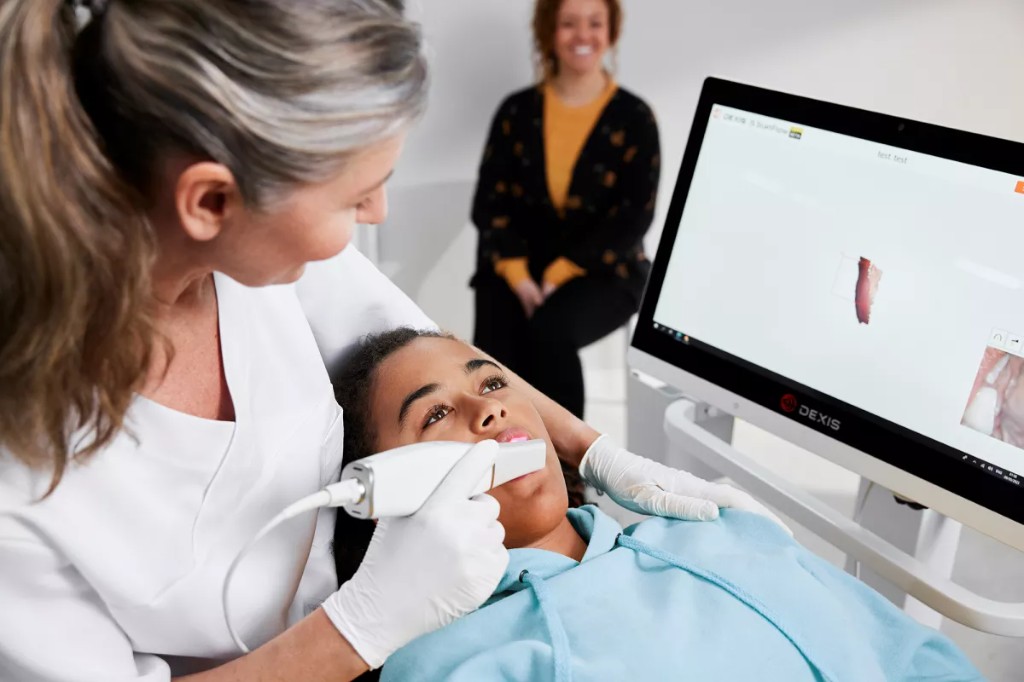
Intraoral scans, facial photos, bite records, and other digital information are aligned so the surgical and restorative teams can see how the final teeth, implant positions, and anatomy relate to one another.
Imaging may reveal whether bone grafting, extractions, sinus considerations, nerve location, or alternative implant positions need to be part of the plan. Finding this early helps the team explain options more honestly.
The imaging phase does not replace clinical judgment, but it gives the team a shared roadmap for Surgery, lab design, and Esthetics. Patients often say this step helps the process feel more organized and less uncertain.
Why It Matters
What Patients Gain From This Phase
- Less guesswork about bone, anatomy, and implant placement
- Better communication between specialists and the lab
- Earlier identification of complex conditions
- A clearer explanation of why certain steps may be needed
- More coordinated planning before surgery begins
What To Expect
During This Part Of Your Journey
- CBCT or mobile CT imaging when appropriate
- Digital scans, photos, or records as needed for planning
- Review of anatomy, bone support, and restorative space
- Discussion of how imaging findings affect your treatment path
- A planning process that supports the next phases of care
