Prosthodontist
Defines bite, tooth position, esthetics, and restorative goals while collaborating directly with technicians on provisional and final full-arch design.
 Regional Implant Centers
On-Site Prosthetic Design & Smile Customization
An on-site dental laboratory keeps clinicians and technicians connected throughout full-mouth rehabilitation so fit, esthetics, and function can be refined with the patient’s goals in mind.
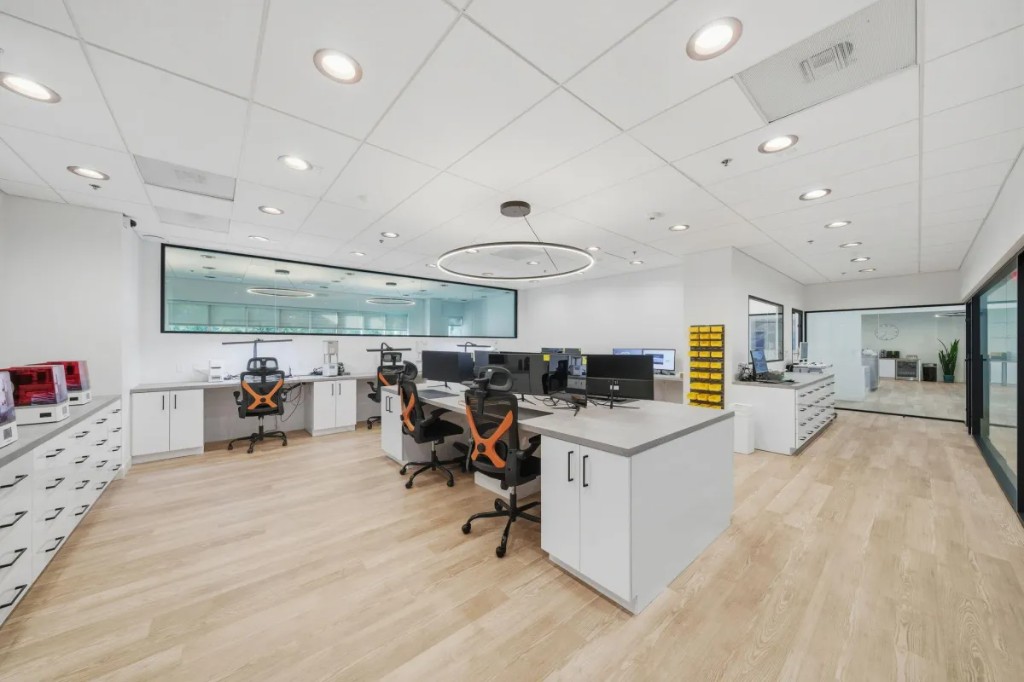
Full-mouth rehabilitation is not complete when implants are placed. The final outcome depends on how well the temporary and permanent teeth fit, function, look, and feel. An in-house laboratory keeps that restorative work close to the clinical team instead of sending critical design decisions through outside handoffs.
At Regional Implant Centers, on-site laboratory technicians work directly with oral surgeons and prosthodontists throughout the treatment process. That proximity supports faster refinement, clearer communication, and a full-arch restoration shaped around the patient’s face, speech, bite, and esthetic goals - not just a generic set of teeth.
Simple Explanation
Many dental offices send prosthetic design to outside laboratories, which can create delays, communication gaps, and less flexibility when changes are needed. An in-house laboratory allows technicians to collaborate directly with the doctors responsible for the patient’s surgical and restorative plan.
For full-mouth implant patients, that collaboration is especially important. Temporary and final full-arch restorations must balance strength, esthetics, hygiene access, bite alignment, and comfort. Having the lab under the same roof helps those details get addressed more directly.
Why It Matters
Full-arch restorations are complex prosthetic systems - not single crowns. They must support chewing forces, maintain proper bite relationships, preserve facial support, and look natural in everyday conversation and expression.
When laboratory technicians can work closely with prosthodontists and oral surgeons, design changes can be made with the full treatment plan in mind. That helps support a smoother transition from healing temporaries to the final restoration and reduces the frustration of repeated adjustment visits caused by poor initial design communication.
Smile Design
Every patient has a unique facial structure, smile line, lip support, speech pattern, and esthetic preference. In-house laboratory support allows the team to evaluate tooth shape, shade, proportion, and arrangement with those individual factors in mind.
This is especially valuable during full-mouth rehabilitation, when patients want teeth that look natural and feel like their own - not bulky, generic, or obviously artificial. On-site collaboration helps the team refine those details with greater control and responsiveness.
From Temporary to Final
In full-mouth rehabilitation, patients often wear temporary implant-supported teeth while healing progresses. Those temporaries are not just placeholders - they help the team evaluate bite, speech, esthetics, and comfort before the final prosthesis is made.
An in-house laboratory helps the team carry lessons from the temporary phase into the final design. That continuity supports a more predictable final delivery and helps protect the investment patients make in comprehensive implant rehabilitation.
Read full articleSupporting The RISE Protocol™
In-house technicians work alongside surgeons and prosthodontists so restorative design stays connected to the surgical plan and the patient’s long-term goals.
Defines bite, tooth position, esthetics, and restorative goals while collaborating directly with technicians on provisional and final full-arch design.
Design and refine implant-supported restorations on site, with direct access to clinical feedback, patient esthetic goals, and case-specific adjustments.
Collaborates with the lab on surgical-restorative sequencing so implant placement and prosthetic design support the same full-mouth outcome.
Help evaluate facial harmony, tooth proportions, and natural appearance so the final restoration supports confidence as well as function.
Patient Benefits
An in-house laboratory helps patients experience full-mouth rehabilitation as a refined, collaborative process - not a disconnected series of lab shipments.
The Regional Implant Centers Difference
An in-house lab is not a marketing feature - it is a clinical advantage in full-mouth rehabilitation. At Regional Implant Centers, laboratory technicians are part of the same coordinated team that plans, surgically treats, and restores the smile.
That integration supports the RISE Protocol™ goal of treating full-mouth implant rehabilitation as one connected process, with esthetics, engineering, and long-term success considered from the beginning.
Schedule an In-House Lab ConsultationFrequently Asked Questions
An in-house lab allows doctors and technicians to collaborate directly on full-mouth and full-arch restorations, supporting better communication, faster refinements, and more personalized smile design.
It supports temporary and final prosthetic design with direct clinical input, helping improve fit, esthetics, bite alignment, and the transition from healing teeth to the final restoration.
Yes. The team can evaluate tooth shape, shade, proportions, smile line, and facial support with your individual features and preferences in mind.
It can reduce delays caused by outside lab shipping and communication gaps, especially when design changes or refinements are needed during full-mouth rehabilitation.
Yes. Laboratory collaboration is part of the Esthetics and restorative planning phases of the RISE Protocol™, helping connect surgical treatment to the final smile.
An outside laboratory may require shipping, longer turnaround times, and indirect communication. An in-house lab allows doctors and technicians to collaborate on site, which can support faster refinements and more direct customization during full-mouth rehabilitation.