Dental Emergencies
Dry Socket or Infection After a Tooth Extraction? A Guide for Austin and Hutto Patients
Worsening pain after an extraction needs a dental assessment. Learn how dry socket and infection differ and when Austin-area patients need urgent help.
Dry socket vs infection after a tooth extraction is not something you can reliably settle with a mirror or a photo. Both can cause pain and an unpleasant taste. The useful questions are whether symptoms are improving, whether swelling is spreading, and whether you need a dentist now or emergency medical care.
This guide is for Austin-area patients recovering from an extraction, including people in Hutto, Round Rock, Pflugerville and Georgetown who are preparing for replacement teeth. It explains the differences without asking you to diagnose yourself. If you still have the painful tooth, start with our guide to a broken or abscessed tooth before extraction; the problem discussed here begins after a tooth has been removed.
The short answer: worsening pain deserves a call
Call the dentist or surgeon who removed the tooth promptly if pain is new, getting worse or not controlled by the prescribed plan. Dry socket often causes severe pain a few days after extraction; increasing swelling, fever or feeling ill also raises concern for infection. An examination, not the calendar alone, tells them apart.
Call 911 for trouble breathing or swallowing. Go to an emergency department for rapidly spreading facial or neck swelling, or fever with facial swelling when you cannot reach a dentist. Do not wait for a consultation booking or an online reply.
Mayo Clinic identifies breathing or swallowing difficulty as a possible sign that a dental infection has spread deeper into the jaw, throat or neck. That warning takes priority over deciding what to call the socket problem.
What a dry socket actually is
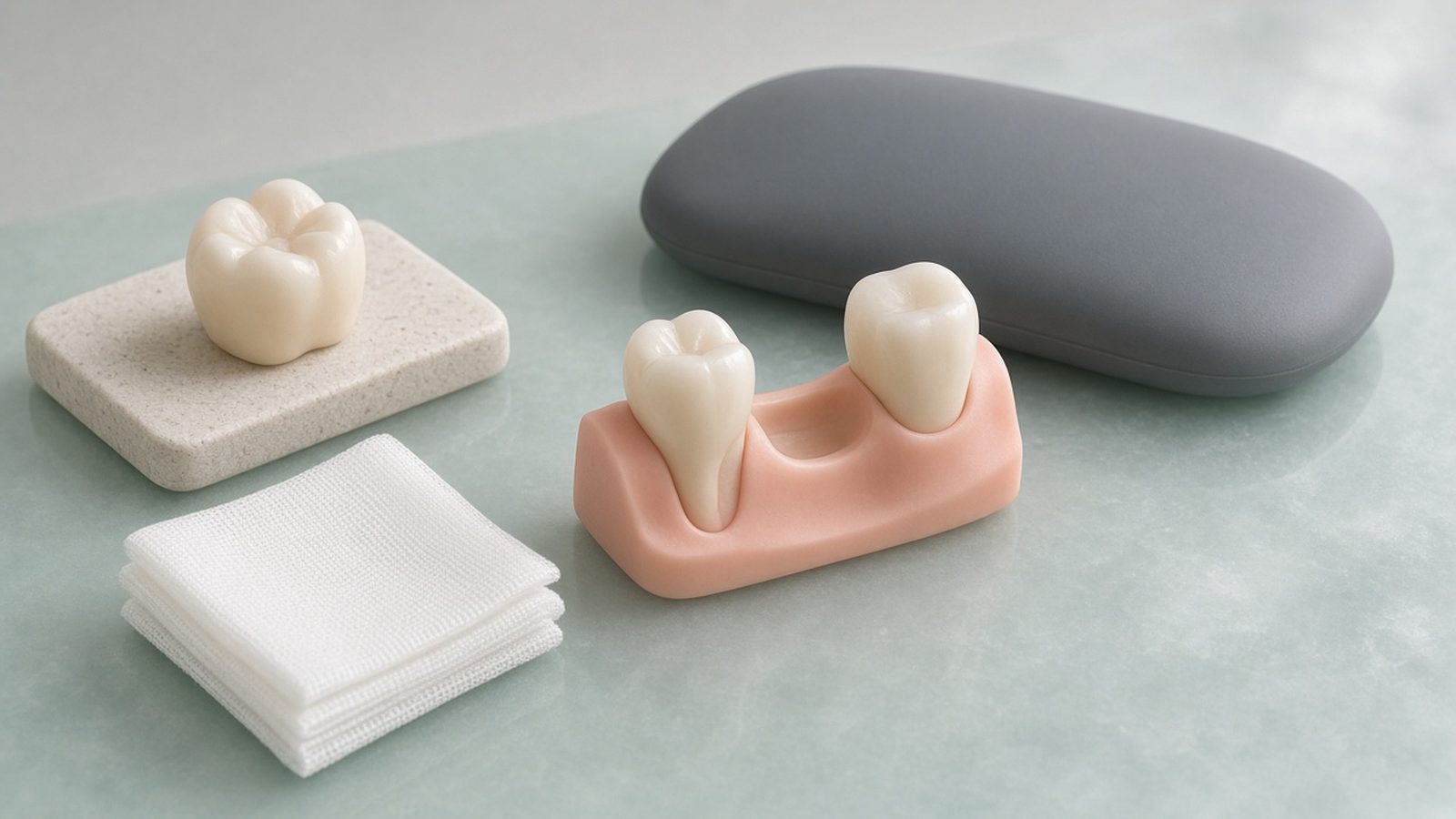
Dry socket, also called alveolar osteitis, develops when the protective blood clot in an extraction socket does not form properly or is lost too early. Exposed bone and nearby nerve endings can make the site very painful.
The socket is the space where the tooth root used to be. The clot protects that space while healing gets started. Dry socket is a problem with healing at an extraction site; it is not simply another name for an abscess or proof that a dental implant has failed.
MedlinePlus lists severe pain beginning 1 to 3 days after extraction, pain spreading toward the ear, temple, eye or neck on the same side, an empty-looking socket, bad breath and a bad taste among the symptoms. Other clinical guidance describes onset a few days later. These are overlapping patterns, not a deadline: do not dismiss pain because it started on the wrong day.
You do not have to see exposed bone to justify calling. Stitches, limited visibility and other surgical work can make the area hard to inspect. Do not pull the cheek forcefully, probe the hole or remove anything to get a better look.
Normal healing, dry socket and infection: what differs?
The direction of change matters more than any one symptom. Some early pain and swelling are expected after surgery, but severe or worsening symptoms need professional advice even if they resemble a common recovery pattern.
Guy's and St Thomas' NHS Foundation Trust explains that pain is commonly worse in the first 2 to 3 days before improving. Swelling can appear during the first 48 hours and persist for several days. Its guidance also describes increasing pain and swelling several days after surgery as a possible infection pattern. The amount of surgery changes the recovery, so these are not personal milestones.
| What you notice | What it may mean | What to do |
|---|---|---|
| Soreness and swelling early on, with symptoms becoming easier to manage | Expected postoperative inflammation can follow this pattern | Follow the written instructions and planned reviews; call if concerned |
| Strong new or worsening socket pain a few days after extraction, sometimes reaching the ear or temple | Dry socket is one possibility | Contact the treating dentist or surgeon promptly |
| Increasing swelling, fever, feeling unwell or drainage that concerns you | Infection or another complication needs to be considered | Seek urgent dental assessment; describe all symptoms |
| Bad taste or bad breath by itself | This can occur with different socket problems and does not identify the cause | Report it, particularly if pain is worsening |
| Trouble breathing or swallowing, or rapidly spreading facial or neck swelling | A potentially serious emergency | Call 911 or seek emergency medical care immediately |
Do not use the absence of fever to rule out infection. Also, MedlinePlus lists a slight fever among possible dry-socket symptoms, so fever does not create a clean dividing line between the two conditions. Tell the clinician your measured temperature if you have one, rather than deciding it is too small to mention.
What the dentist checks and how treatment differs
The dentist examines the socket, reviews the symptom history and decides whether additional testing is needed. Treatment may involve cleaning and protecting a painful socket, treating an infection, or looking for a different source of pain.
Mayo Clinic describes checking whether the clot is present and whether bone is exposed. X-rays may be needed to investigate retained root or bone fragments or a possible bone infection. A scan is not automatically required for every painful socket.
For dry socket, care can include gentle flushing to remove debris, a medicated dressing and a pain-management plan. Some patients need return visits for dressing changes. The dressing and any home-cleaning instructions should come from the treating clinician, especially if graft material or an implant is also present.
Antibiotics are not a substitute for examining a painful extraction site. MedlinePlus says a dentist may decide to prescribe them; that does not mean everyone with socket pain needs them. Do not start leftover antibiotics, use someone else's prescription or change an existing course without speaking with the prescriber.
Treatment should address the reason for the pain, not just make it possible to ignore symptoms until the next scheduled visit.
What you can safely do while arranging care
Follow your own postoperative instructions and protect the surgical area while you contact the team. Do not pack, scrape or forcefully wash a socket yourself.
A simple extraction, an extraction with a graft and an extraction with immediate implants may have different instructions. Generic advice is not permission to change your surgeon's plan.
- Take prescribed medicines as directed. If pain control is inadequate, call rather than taking extra doses. Ask a pharmacist or clinician before adding an over-the-counter medicine.
- Avoid smoking and tobacco. They interfere with healing and increase dry-socket risk.
- Avoid suction through straws, vigorous rinsing and forceful spitting during early healing. Follow the specific restrictions in your instructions.
- Use soft foods and stay hydrated as permitted by your postoperative plan. Do not test the site with hard or crunchy food.
- Do not put aspirin, clove oil, household chemicals or a homemade dressing into the hole.
- Do not direct a water flosser or syringe into the socket unless your treating clinician has told you when and how to do so.
Professional dry-socket treatment sometimes includes home irrigation later. Mayo Clinic places that step within a clinician-directed plan, not a do-it-yourself response to new pain. Salt-water rinsing also has timing: Guy's and St Thomas' advises against rinsing on the day of surgery because it can disturb the clot. Ask your team how that applies to your operation.
What to say when you call
Give the team the date of surgery, how symptoms have changed and any emergency warning signs. This helps them decide how quickly and where you should be seen.
A useful opening is:
"I had a tooth removed on [day]. The pain was [improving/not improving] and is now [describe change]. I have [swelling, temperature, bad taste or other symptoms]. I have taken [medicine and dose] at [time]. What should I do, and do I need to be seen today?"
Also mention:
- Which tooth or side was treated, and whether grafting or implants were done.
- Whether swelling is growing or spreading, and whether swallowing or breathing is affected.
- Any bleeding that continues despite following your postoperative instructions.
- Your allergies, relevant medical conditions and current medicines.
- Whether you can drink and whether you are able to travel safely for an examination.
If the treating office is unavailable and symptoms are worsening, seek an available local dentist or oral surgeon rather than waiting several days for that particular office. Use emergency medical care for the red flags above. Do not wait for a callback if breathing or swallowing is affected.
Does dry socket mean future implants are off the table?
A dry socket does not, by itself, establish whether you can have dental implants later. The next treatment decision depends on an examination, the condition of the site, your health and the replacement plan.
The immediate job is to assess and treat the postoperative problem. Once that is addressed, ask whether the site needs more healing or additional treatment before implant planning continues. There is no universal number of extra days that applies to every patient, and this article cannot set a new surgery date.
If an implant was placed at the extraction visit, report the symptoms to that surgical team. Do not assume that pain near the implant is merely dry socket, and do not test the implant or temporary teeth for movement. Problems involving an implant require their own assessment; our guide to a failing implant under a full-arch bridge explains that different problem.
For broader recovery instructions, see eating and healing after full-arch surgery. For the planned stages rather than an unexpected complication, see the Austin-area All-on-4 visit timeline. Neither replaces the instructions given for your surgery.
Planning replacement teeth at RIC's Hutto office
Regional Implant Centers' Austin-area office is in Hutto. A replacement-teeth consultation is a separate planning visit, not a substitute for urgent postoperative care.
Our Hutto office is at 201 E Wilco Hwy STE 203, Hutto, TX 78634. RIC's other office is in Katy; we do not have separate offices in Austin proper, Round Rock, Pflugerville or Georgetown.
Both offices offer traditional dentures, snap-on overdentures and fixed full-arch treatment. Hutto offers grafting and sinus work, and both offices have mobile CBCT for use when clinically appropriate. That does not mean a painful socket automatically needs a CBCT scan or a graft. Our oral surgery services are planned around the individual diagnosis and the intended replacement teeth.
For patients proceeding with RIC full-arch treatment, every patient leaves with same-day temporary teeth. Those are not the final arches. Final teeth are full monolithic zirconia or titanium-reinforced, delivered in 1-4 months depending on healing and progress; typical treatment involves 4-5 total visits across evaluation and planning, surgery with temporary teeth, healing review and final-teeth steps. The visits may be combined differently for each patient. These are the usual treatment milestones, not a promise that a postoperative problem will leave the schedule unchanged. Not everyone is a candidate for fixed implant treatment.
If you had an extraction elsewhere, ask whether RIC can assess your situation and what records to bring before traveling. We do not promise walk-in care, same-day emergency appointments or a particular treatment for an unseen extraction site.
Frequently asked questions
The practical rule is to report worsening symptoms rather than diagnose the socket yourself. These answers address common questions while you arrange professional advice.
How can I tell dry socket from infection at home?
You cannot reliably distinguish them at home. Dry socket often causes severe pain a few days after extraction, while worsening swelling, fever or feeling ill raises concern for infection. Symptoms overlap. Contact the treating dentist or surgeon for an examination rather than relying on the appearance of the socket.
Is pain that spreads to my ear a sign of dry socket?
It can be. MedlinePlus lists pain traveling from the socket toward the ear, eye, temple or neck on the same side among dry-socket symptoms. That pattern does not confirm the diagnosis. New or worsening pain after extraction deserves a prompt call to your dental team.
Do I need antibiotics for dry socket?
Not automatically. The dentist needs to assess the socket and decide whether antibiotics are appropriate. Dry-socket treatment can include gentle cleaning, a medicated dressing and a pain-management plan. Do not take leftover antibiotics or assume antibiotics alone will address the cause of postoperative pain.
Should I clean out the hole myself?
Do not probe, scrape or pack the socket, and do not force water into it without instructions. Your clinician may prescribe rinsing or teach irrigation at a particular stage. Timing matters, especially if grafting or implants were also done. Follow the instructions for your operation rather than a general online routine.
Will dry socket delay my implant treatment?
It can change the next steps, but there is no fixed delay for everyone. A clinician must assess healing, any infection, the bone and the intended replacement. If an implant is already present, report new or worsening pain to the surgical team rather than assuming it is only dry socket.
Schedule a consultation after the urgent problem is addressed
If you are ready to discuss replacement teeth, schedule a $25 consultation with Regional Implant Centers. If you have worsening postoperative symptoms, contact the treating team for clinical guidance instead of waiting for that appointment.
Call (832) 632-7037, schedule an Austin-area consultation at Hutto, or use our consultation scheduling page. Bring your extraction notes, available imaging, medication list and the instructions you received. Ask how the healing site affects the options for keeping or replacing your other teeth.
The $25 is the consultation fee; this article does not quote or define postoperative visit charges.
Sources & Resources
These resources explain postoperative symptoms and general care. Your treating clinician's instructions take priority for your operation.
- MedlinePlus, U.S. National Library of Medicine. Dry socket. Reviewed October 14, 2024.
- Mayo Clinic. Dry socket: Diagnosis and treatment. July 18, 2023.
- Guy's and St Thomas' NHS Foundation Trust. Dental surgery and recovery. Reviewed January 2025. General recovery information, not RIC's postoperative protocol.
- Mayo Clinic. Tooth abscess: Symptoms and causes. June 29, 2022. Used for spreading-infection warning signs, not to label every painful socket an abscess.
This article is general patient education, not a diagnosis or individualized postoperative instructions. Only an examining clinician can identify the cause of pain or determine candidacy and treatment timing. Call 911 for trouble breathing or swallowing; seek emergency medical care for rapidly spreading facial or neck swelling. No surgical outcome is guaranteed.
Ready to Learn What Is Possible?
Schedule a consultation with Regional Implant Centers.
Schedule ConsultationFrequently Asked Questions
How can I tell dry socket from infection at home?
You cannot reliably distinguish them at home. Dry socket often causes severe pain a few days after extraction, while worsening swelling, fever or feeling ill raises concern for infection. Symptoms overlap. Contact the treating dentist or surgeon for an examination rather than relying on the appearance of the socket.
Is pain that spreads to my ear a sign of dry socket?
It can be. MedlinePlus lists pain traveling from the socket toward the ear, eye, temple or neck on the same side among dry-socket symptoms. That pattern does not confirm the diagnosis. New or worsening pain after extraction deserves a prompt call to your dental team.
Do I need antibiotics for dry socket?
Not automatically. The dentist needs to assess the socket and decide whether antibiotics are appropriate. Dry-socket treatment can include gentle cleaning, a medicated dressing and a pain-management plan. Do not take leftover antibiotics or assume antibiotics alone will address the cause of postoperative pain.
Should I clean out the hole myself?
Do not probe, scrape or pack the socket, and do not force water into it without instructions. Your clinician may prescribe rinsing or teach irrigation at a particular stage. Timing matters, especially if grafting or implants were also done. Follow the instructions for your operation rather than a general online routine.
Will dry socket delay my implant treatment?
It can change the next steps, but there is no fixed delay for everyone. A clinician must assess healing, any infection, the bone and the intended replacement. If an implant is already present, report new or worsening pain to the surgical team rather than assuming it is only dry socket.
This content is educational and not a substitute for a consultation.