Dental Emergencies
Broken or Abscessed Tooth in San Antonio? Get Urgent Care First, Then Plan the Rest of Your Mouth

Know when a broken or abscessed tooth needs the ER, what helps while you wait, which records to keep, and how San Antonio patients can plan the next step.
A broken or abscessed tooth in San Antonio needs local care first, not a long drive and not a decision about your whole mouth made while you are in pain. If you live in San Antonio, New Braunfels, Schertz, Boerne or nearby, this article covers how to tell an emergency room problem from a same-day dental problem, what you can safely do while you wait, what records to ask for at the urgent visit, and how to plan a full-arch consultation later if this tooth is one of several that are failing. Regional Implant Centers does not have an office in San Antonio. Our offices are in Hutto, in the Austin area, and in Katy, in the Houston area, so the urgent part of your care should happen close to home.
This is general patient education. It is not a diagnosis, and it does not replace a dentist or physician who can examine you.
The short answer
If you have trouble breathing or swallowing, swelling spreading toward your eye, under your jaw or into your neck, or facial swelling with a fever, call 911 or go to an emergency room now. For a painful broken tooth or an abscess without those signs, see a local dentist as soon as you can, ideally the same day. Plan any larger treatment only after the urgent problem is under control.
The emergency room can protect you from a spreading infection. A dentist is the one who can treat the tooth. And a full-arch plan, if you ever need one, is a separate decision that deserves imaging, time and a clear head.
First, decide how urgent it is
Sort your symptoms into one of three groups: an emergency room now, a dentist today, or a dentist within a few days. When you are unsure which group you are in, choose the more urgent one.
| What you notice | Where to go |
|---|---|
| Trouble breathing or swallowing; swelling spreading toward the eye, under the jaw or into the neck; facial swelling with a fever; bleeding that will not stop with pressure; a jaw injury or a blow to the head | Call 911 or go to an emergency room now |
| Constant, throbbing toothache; a swollen gum or a pimple-like bump on the gum; a tooth broken with sharp edges, pain or bleeding; a bad taste with pain; a tooth knocked out | A dentist today, if at all possible |
| A small chip with no pain; a lost filling or crown with little sensitivity; a cracked tooth that hurts only now and then when you bite | A dentist within a few days, sooner if it gets worse |
Mayo Clinic advises going to an emergency room if you have a fever and swelling in your face and cannot reach your dentist, and also if you have trouble breathing or swallowing, because these symptoms may mean the infection has spread deeper into the jaw, throat or neck. MedlinePlus describes a swollen area of the upper or lower jaw as a very serious symptom of a tooth abscess.
The middle row is where most people land. The American Dental Association notes that most dentists reserve time in their daily schedules for emergency patients, and suggests calling with as much detail about your condition as you can give. If a knocked-out adult tooth is the problem, time matters most: the ADA advises keeping it moist, placing it back in the socket without touching the root if you can, or keeping it between your cheek and gum or in milk, and getting to a dentist right away.
What the emergency room can do, and what it usually cannot
An emergency room can check for a spreading infection, treat serious swelling, manage pain and admit you if needed. It usually cannot repair a broken tooth, do a root canal or remove the source of an abscess, so you will still need a dentist afterward.
That is not a criticism of emergency care. It is a description of what a hospital emergency department is set up to do. The ADA estimates about 2 million emergency department visits each year in the United States for dental pain, and says many of these visits could be referred to local dentists and clinics where people can get ongoing care. The ADA's Health Policy Institute found that about 70 percent of emergency department visits for dental conditions happen outside normal business hours, which is exactly when a dental office is hardest to reach.
So if you go to the emergency room on a Saturday night with a swollen face, that is the right call. Just treat it as the first stop. Ask what was found, keep the paperwork, and book a dentist for the next business day.
Why antibiotics alone will not fix the tooth
Antibiotics can matter when an infection is spreading or you have a fever, but for most tooth abscesses the fix is dental treatment that removes the source: draining it, treating the nerve with a root canal, or removing the tooth.
The ADA's 2019 guideline on antibiotics for dental pain and swelling, endorsed by the American College of Emergency Physicians, recommends against antibiotics for most tooth-related pain and swelling in adults who are not severely immunocompromised, and recommends dental treatment instead, along with over-the-counter pain relievers if needed. If the condition progresses to fever or a general sick feeling, the guideline says antibiotics should be prescribed. Our article on chronic tooth infections and your health explains what the research shows about long-standing infections and the rest of the body; this article stays with the first days.
One warning from Mayo Clinic is worth repeating. If an abscess bursts, the pain may ease a great deal and the problem can seem to be gone. It is not. The infection still needs dental treatment.
Easing the pain while you wait
For most adults, over-the-counter anti-inflammatory pain relievers such as ibuprofen or naproxen, alone or combined with acetaminophen, are the first choice for a toothache until it can be treated. Opioids are not the first step.
In 2024, the ADA published a guideline with the University of Pittsburgh and the University of Pennsylvania on medicines for acute dental pain. It treats nonopioid medicines as first-line therapy for the temporary management of toothache and for pain after extractions, and reserves opioids for the uncommon cases when those are not enough or cannot be used. Follow the label, and ask a pharmacist or your physician first if you take a blood thinner, are pregnant, or have kidney, liver, stomach or heart problems, because these medicines are not right for everyone.
A few other steps help:
- Rinse gently with warm water, or warm salt water if you have an abscess.
- Hold a cold compress on the outside of your cheek to keep swelling down.
- Chew on the other side, and avoid very hot, very cold and hard foods.
- If a broken tooth is sensitive to air or cold drinks, the American Association of Endodontists suggests biting on clean, moist gauze until you reach the dentist.
- Do not put aspirin directly on the tooth or gum. MedlinePlus warns that this irritates the tissue and can cause mouth ulcers, and the AAE also advises against putting numbing gels or ointments on a cracked tooth.
Broken teeth are not all the same
Whether a broken tooth can be saved depends on where the break runs. A chip or a broken corner can often be repaired. A crack that runs below the gum line, or a tooth that has split, often cannot.
The AAE describes a range. Chipped teeth are the most common dental injury and are often repaired with bonding or a crown. A fractured cusp, where a piece of the chewing surface breaks off around a filling, rarely damages the nerve and is usually covered with a new filling or crown. A cracked tooth, where the crack runs from the chewing surface toward the root, may be treated with a root canal and a crown if it is caught early, but the AAE says that once a crack extends below the gum line, the tooth cannot be saved and needs to be removed. A split tooth cannot be saved intact. A vertical root fracture often shows few symptoms until the bone and gum around it become infected.
Two points from the AAE are useful when you are deciding what to do. First, a crack does not heal the way a broken bone does, and a crown protects a cracked tooth without guaranteeing it. Second, a cracked tooth treated early has a better chance. If your broken tooth has a large old filling, a crown, or a root canal already, mention it, because that changes the options.
If what broke is a tooth on a bridge, a denture, or an implant-supported full-arch bridge, the problem is a little different. Our article on loose or broken full-arch bridges covers what to do when implant teeth crack or come loose.
What an abscess is, and how it is treated
A tooth abscess is a pocket of pus from a bacterial infection in or around a tooth. It does not go away on its own. Treatment drains the infection and then either saves the tooth with a root canal or removes it.
MedlinePlus explains that an abscess can form from tooth decay or when a tooth is broken, chipped or injured, letting bacteria reach the nerve in the center of the tooth. The main symptom is a severe, continuous toothache, sometimes with a bitter taste, bad breath, fever, pain when chewing, a swollen gum that looks like a pimple, or swollen glands in the neck. Untreated, an abscess can spread to the jaw bone and nearby soft tissues, and to other parts of the body.
Mayo Clinic notes that dentists treat an abscess by draining it and getting rid of the infection, that a root canal may save the tooth, and that in some cases the tooth must be removed. Which one makes sense depends on how much sound tooth is left, the bone around it, the gums, and the rest of your mouth.
Save it or pull it: making the decision under pressure
When you are in pain, removing one hopeless tooth can be a reasonable, fast decision. Removing every tooth in your mouth is a much bigger one. If someone suggests that during an emergency visit, it is fair to treat the painful tooth now and plan the rest later.
People with several broken or infected teeth often reach a point where they say, "Just pull them all." That feeling is understandable, especially after months of pain or a sleepless weekend. But a full-mouth extraction changes your bite, your face and your options for years, and it deserves a full exam, 3D imaging and time to compare fixed teeth, implant overdentures and dentures. Our second-opinion guide for San Antonio patients covers how to compare recommendations before you commit.
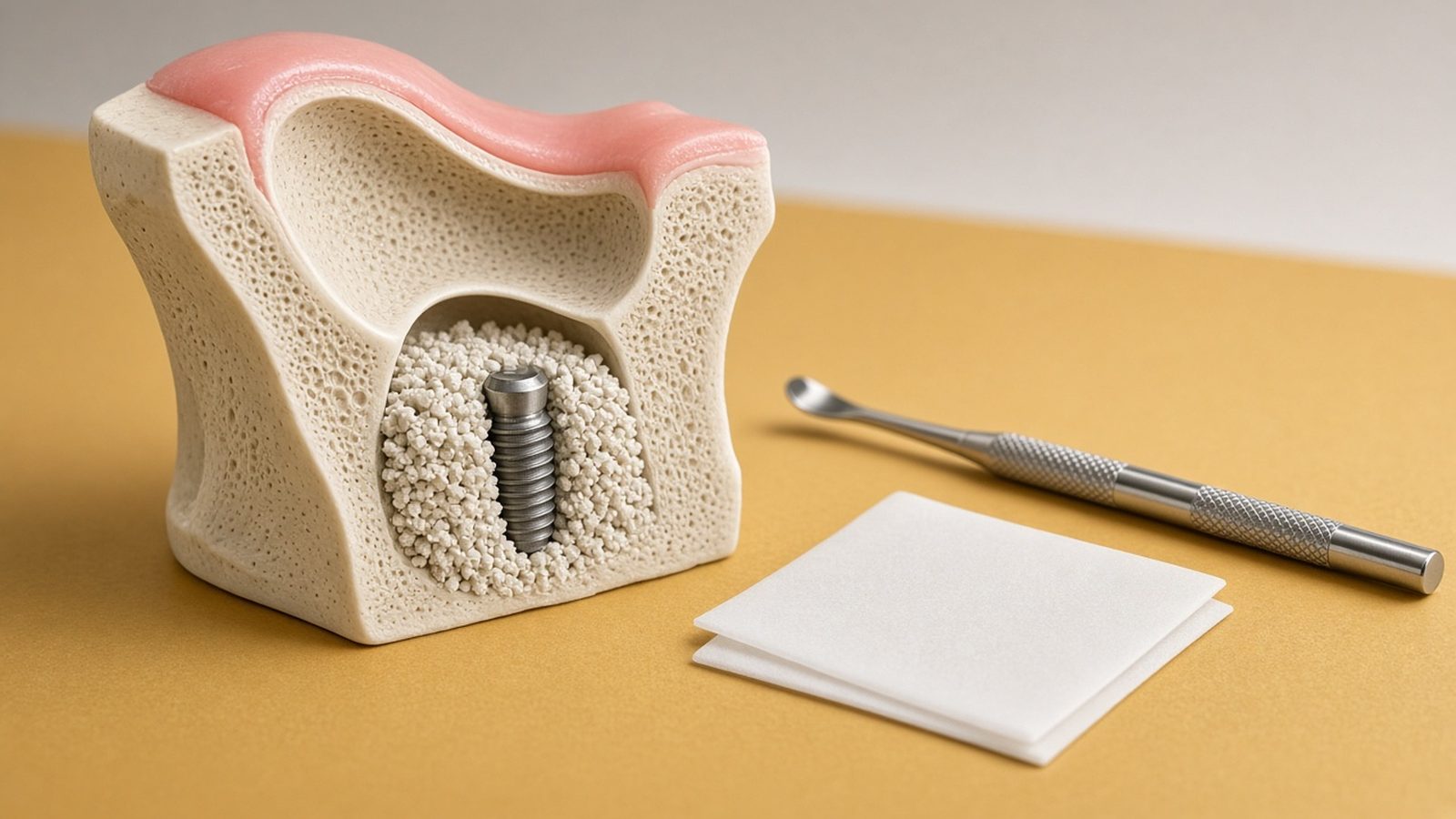
There is also a bone reason to think ahead. After a tooth is removed, the jaw ridge shrinks as it heals. A systematic review by Tan and colleagues found that, six months after extraction, the ridge had lost about 29 to 63 percent of its width and 11 to 22 percent of its height in human re-entry studies, with the fastest change in the first three to six months. If you think you may want an implant in that spot someday, ask the dentist who removes the tooth whether anything should be done at the time of extraction to help preserve the site. Socket preservation is one of the bone grafting services listed on our oral surgery page, and our article on why bone grafting may be needed before implants explains why the amount of bone matters. Whether it is appropriate is a clinical decision for the dentist treating you.
What to ask for at the urgent visit
Leave your urgent appointment with copies of your x-rays, the diagnosis, what was done and any prescriptions. These records make a later consultation faster and can save you from repeating images.
Under the HIPAA Privacy Rule, you have the right, with few exceptions, to inspect and receive a copy of your medical and billing records from health care providers. A provider may charge a reasonable fee for copying and mailing, but cannot deny you a copy because you still owe for the visit. Ask for:
- Digital copies of any x-rays or 3D scans, not just a printed report.
- The diagnosis for the tooth that was treated, and any other teeth the dentist was worried about.
- What was done: drainage, a temporary filling, the start of a root canal, or an extraction.
- The name and dose of any antibiotic or pain medicine prescribed.
- The dentist's view on which of your other teeth can likely be saved.
If you went to an emergency room, ask for the discharge summary and any imaging report too.
When one emergency points to a bigger problem
One broken tooth is usually just one broken tooth. Several broken, loose or infected teeth, repeated emergencies, or failing crowns and bridges across the mouth can be a sign that it is time to look at the whole picture.
Patterns worth noticing include more than one tooth breaking in the same year, abscesses that keep coming back, teeth that have become loose, crowns and bridges that keep failing, and a partial denture that no longer has much to hold on to. Our articles on severe tooth decay, failing crowns and bridges and implants when you have gum disease describe these situations in more detail. If you have diabetes, our article on diabetes and tooth loss for San Antonio patients explains why infections and healing need extra attention.
A full-arch consultation does not commit you to anything. For some people it confirms that most of their teeth can be kept. For others it lays out fixed teeth, a snap-on overdenture or a denture as options, with the trade-offs of each.
Planning a full-arch consultation from San Antonio
Once the urgent problem is under control and you are no longer in acute pain, you can start with a phone consultation from home. If an in-person visit makes sense, our Hutto office is the shorter drive from most of the San Antonio area.
There is no rule about how long to wait, but the consultation is more useful when swelling has settled and you can think clearly about the options. You do not need to wait for every tooth to be fixed. Our booking flow offers a phone consultation, so you can describe what happened, share your records and ask whether an in-person visit is worth the trip before you make it. Our article on full-mouth implants from San Antonio covers the visits, the drive and the companion you will need on surgery day.
Our Hutto office is at 201 E Wilco Hwy, Suite 203. It offers CBCT imaging, bone grafting and sinus procedures, and an on-site dentist anesthesiologist. Our Katy office in the Houston area is a longer drive and is where our in-house dental lab is located. Both offices offer traditional dentures, snap-on implant overdentures and fixed full-arch implant teeth, so the plan can follow what your mouth and health need rather than one treatment.
At the consultation, planning follows our RISE Protocol, whose evaluation covers overall oral health, bone structure, bite relationship, facial anatomy, medical history, airway considerations and long-term goals. Our cone beam CT imaging helps the team study bone volume, nerve pathways, sinus position and jaw anatomy; it does not replace clinical judgment. Our oral surgery page describes infection and severe disease treatment this way: "Removing infection, diseased teeth, and unstable dental work can improve oral health and support a more predictable rehabilitation plan."
A few things to know before you go:
- Infected teeth are usually removed and the sites cleaned before or during full-arch treatment, and the timing of implants depends on the bone and how active the infection is.
- Qualifying patients may leave surgery with fixed temporary teeth the same day. Those teeth are temporary, and whether they are appropriate depends on your bone and implant stability; our article on temporary versus final teeth explains the difference.
- For severe upper-jaw bone loss in selected cases, Dr. Dan Holtzclaw and Dr. Enrique Tabarini perform zygomatic and pterygoid implants.
- Implant treatment is not appropriate for every patient, and a denture or overdenture is sometimes the better choice.
If you are already a Regional Implant Centers patient and something breaks or swells, call us at (832) 632-7037 so the team can advise you. If you have any of the emergency signs above, go to an emergency room first rather than waiting for a call back.
Insurance and paying for treatment
The dentist or emergency room that treats your urgent problem bills for that visit under their own policies. At Regional Implant Centers, medical insurance may help only with surgical professional services, and implants, the prosthesis and temporary teeth are billed to you.
For full-arch care with us, medical insurance may help with surgical professional services such as extractions, bone grafting and alveoloplasty. If you have a PPO plan with oral surgery coverage, it is worth checking whether it may help with those surgical parts of your care; please verify your benefits with us and your carrier before you decide. Only PPO plans work for our out-of-network oral surgery benefits, and we cannot bill Federal Employee Program (FEP) Blue Cross Blue Shield plans. Our Insurance Advantage program includes a review of your medical and dental benefits, and our insurance disclaimer explains why no estimate is a guarantee.
Before treatment, you receive a written plan with estimated insurance benefits, financing options and your expected out-of-pocket investment. Financing may be available for qualified patients through independent third-party companies, which set their own approval requirements and terms.
Questions to ask
At the urgent visit:
- Is this tooth likely to be saved, and what would that take?
- If it must come out, would anything done today help if I want an implant here later?
- Which of my other teeth worry you, and how soon should they be looked at?
- Can I have digital copies of today's x-rays and notes?
At a full-arch consultation:
- Which of my teeth can be kept, and for how long?
- How would active infection change the timing of extractions, grafting and implants?
- Which parts of my care might my insurance help with, and how do I verify that?
Frequently asked questions
Should I go to the ER for an abscessed tooth?
Go to an emergency room or call 911 if you have trouble breathing or swallowing, swelling spreading toward your eye or into your neck, or facial swelling with a fever. Without those signs, a dentist is usually the faster route to treating the tooth itself, ideally the same day. If you are unsure, choose the emergency room.
Can a broken tooth be saved?
Often, depending on where the break runs. Chips and broken corners can usually be repaired, and some cracked teeth can be treated with a root canal and a crown if caught early. A crack that extends below the gum line, or a tooth that has split, usually cannot be saved and may need to be removed.
Will antibiotics cure my tooth abscess?
Usually not on their own. The ADA recommends dental treatment, such as drainage, a root canal or an extraction, for most tooth abscesses in healthy adults, with antibiotics added when there are signs the infection is spreading, such as fever. If an abscess bursts and the pain eases, it still needs treatment.
Should I have all my teeth pulled if several are broken or infected?
Not as an emergency decision. Treat the tooth that is causing pain now, then get a full exam with 3D imaging and compare options such as keeping some teeth, fixed teeth, an implant overdenture or a denture. Removing every tooth affects your bite, face and jaw bone for years, so it deserves time.
How soon after a dental emergency can I have a full-arch consultation?
Once the urgent problem is under control and swelling has settled, you can start with a phone consultation from home. Bring the x-rays and notes from your urgent visit. The timing of any extractions or implants is set after an exam and imaging, and depends on your bone and how active any infection is.
Talk with our team once the emergency has passed
If a broken or abscessed tooth has you wondering about the rest of your mouth, get the urgent care you need in San Antonio first, then talk with us. Qualified patients receive a complimentary consultation, an advanced CBCT scan and an insurance benefits evaluation. Schedule a consultation by phone or in person at our Hutto office, or call (832) 632-7037. Bring your records, your medicine list and your questions.
Sources & Resources
- Mayo Clinic. Tooth abscess: Symptoms and causes.
- MedlinePlus, National Library of Medicine. Tooth abscess.
- American Dental Association, MouthHealthy. Dental Emergencies.
- American Association of Endodontists. Cracked Teeth.
- American Dental Association. Emergency Department Referrals.
- American Dental Association, Health Policy Institute. Emergency Department Visits for Dental Conditions: A Snapshot (PDF, 2020).
- American Dental Association. Antibiotics for Dental Pain and Swelling Guideline (2019).
- Carrasco-Labra A, Polk DE, Urquhart O, et al. Evidence-based clinical practice guideline for the pharmacologic management of acute dental pain in adolescents, adults, and older adults. Journal of the American Dental Association, 2024. See also the ADA's Acute Dental Pain Management Guideline page.
- Tan WL, Wong TL, Wong MC, Lang NP. A systematic review of post-extractional alveolar hard and soft tissue dimensional changes in humans. Clinical Oral Implants Research, 2012.
- U.S. Department of Health and Human Services. Your Medical Records.
This article is general patient education and is not a diagnosis, treatment plan or medical advice. If you have trouble breathing or swallowing, swelling spreading toward your eye or neck, or facial swelling with a fever, call 911 or go to an emergency room. Regional Implant Centers has offices in Katy and Hutto, Texas, and no office in San Antonio. Whether a tooth can be saved, and whether implants, an overdenture, fixed teeth or a denture are appropriate, depends on an individual exam, imaging and medical review, and no surgery or sedation is free of risk. Insurance coverage is never guaranteed, and financing is provided by independent third-party companies. Outcomes vary, and implant treatment is not appropriate for every patient.
Ready to Learn What Is Possible?
Schedule a consultation with Regional Implant Centers.
Schedule ConsultationFrequently Asked Questions
Should I go to the ER for an abscessed tooth?
Go to an emergency room or call 911 if you have trouble breathing or swallowing, swelling spreading toward your eye or into your neck, or facial swelling with a fever. Without those signs, a dentist is usually the faster route to treating the tooth itself, ideally the same day. If you are unsure, choose the emergency room.
Can a broken tooth be saved?
Often, depending on where the break runs. Chips and broken corners can usually be repaired, and some cracked teeth can be treated with a root canal and a crown if caught early. A crack that extends below the gum line, or a tooth that has split, usually cannot be saved and may need to be removed.
Will antibiotics cure my tooth abscess?
Usually not on their own. The ADA recommends dental treatment, such as drainage, a root canal or an extraction, for most tooth abscesses in healthy adults, with antibiotics added when there are signs the infection is spreading, such as fever. If an abscess bursts and the pain eases, it still needs treatment.
Should I have all my teeth pulled if several are broken or infected?
Not as an emergency decision. Treat the tooth that is causing pain now, then get a full exam with 3D imaging and compare options such as keeping some teeth, fixed teeth, an implant overdenture or a denture. Removing every tooth affects your bite, face and jaw bone for years, so it deserves time.
How soon after a dental emergency can I have a full-arch consultation?
Once the urgent problem is under control and swelling has settled, you can start with a phone consultation from home. Bring the x-rays and notes from your urgent visit. The timing of any extractions or implants is set after an exam and imaging, and depends on your bone and how active any infection is.
This content is educational and not a substitute for a consultation.