Sleep Apnea & Full-Mouth Rehabilitation
Sleep Apnea, CPAP and Full-Arch Dental Implants: What Austin-Area Patients Should Plan For
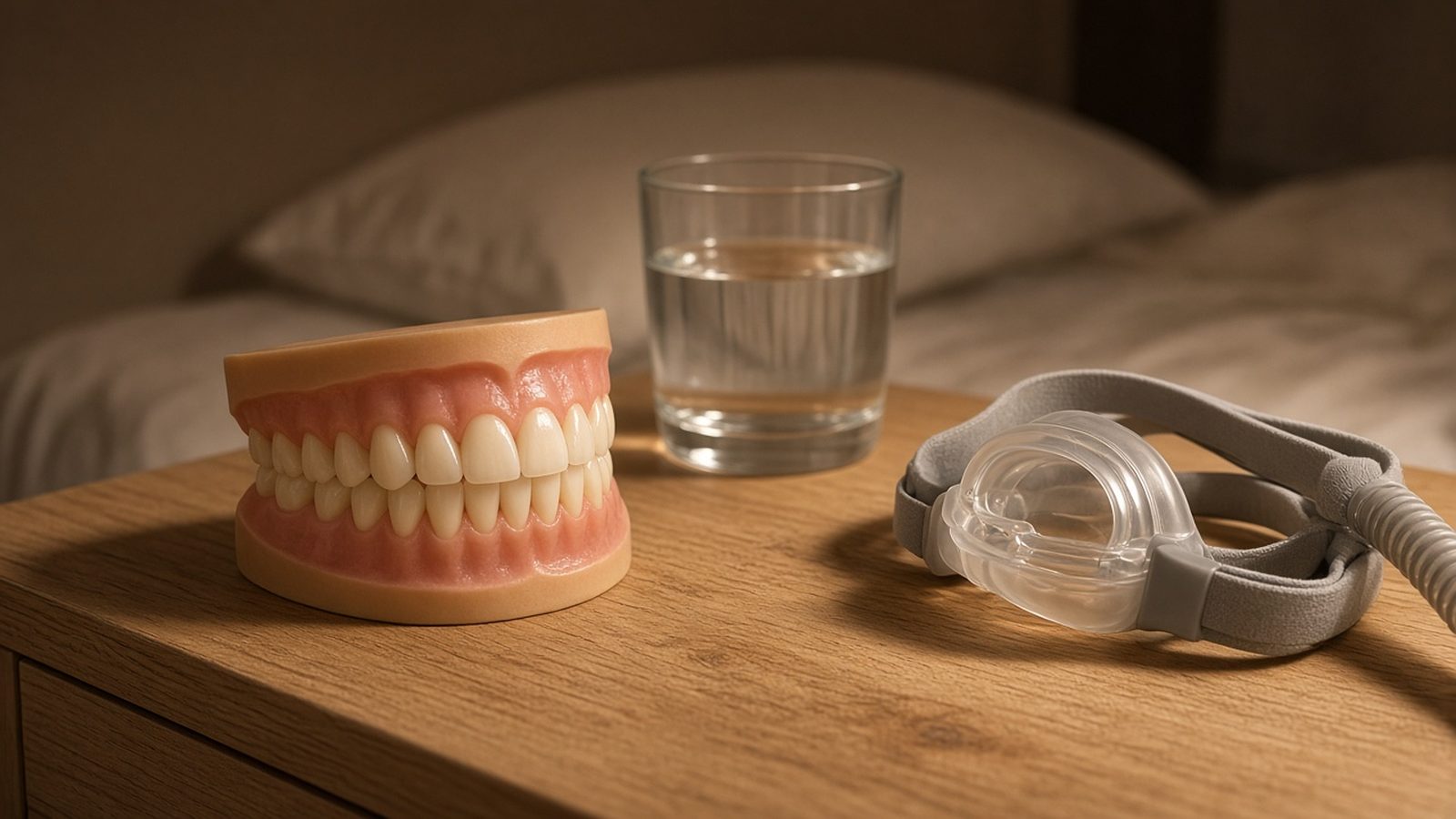
Sleep apnea changes how full-arch implants are planned. Learn how sedation, CPAP use while you heal, your new bite and oral appliances are handled in Austin.
If you have sleep apnea and you are considering full-arch dental implants, you probably have practical questions nobody has answered yet. Will the sedation be safe? Do I bring my CPAP machine? Will the mask press on my new teeth? What happens to my oral appliance once my teeth are gone? If you live in Austin, Hutto, Round Rock, Pflugerville, Georgetown or Cedar Park, this article walks through how sleep apnea and CPAP use fit into planning a new set of teeth, what the research says, and which conversations should happen between your sleep physician and your implant team before surgery. It is general education, not a diagnosis, and it does not replace the advice of the clinicians who manage your sleep apnea.
The short answer
Sleep apnea does not by itself rule out full-arch implants, but it changes the planning. It affects how sedation and the airway are managed, how CPAP is handled while you heal, and how your new bite is designed. Full-arch implants are not a treatment for sleep apnea.
The safest plans start with honest information in both directions. Your implant team needs your sleep study results, your CPAP or appliance details and your other medical conditions. Your sleep physician needs to know that you are planning oral surgery and new teeth. When those two sides talk early, surprises on surgery day are less likely.
Who diagnoses sleep apnea, and who treats it
Sleep apnea is diagnosed by a medical provider with a sleep study, either in a sleep lab or at home. Dentists can notice warning signs and refer you, but they do not make the diagnosis.
The American Academy of Sleep Medicine (AASM) describes obstructive sleep apnea as repeated blockage of the airway during sleep, often from the tissue at the back of the throat collapsing. Common signs include:
- Loud or frequent snoring, especially with silent pauses and choking or gasping sounds
- Daytime sleepiness or fatigue, or sleep that does not feel refreshing
- Morning headaches and trouble concentrating
- Waking often during the night to use the bathroom
Not everyone who snores has sleep apnea. The AASM notes that your medical provider can diagnose it with an in-lab sleep study or a home sleep apnea test, and that apps and consumer sleep trackers can be unreliable.
The American Dental Association encourages dentists to screen patients for sleep-related breathing problems as part of the medical and dental history and to refer patients at risk to a physician for diagnosis. When a physician diagnoses sleep apnea and recommends an oral appliance, a qualified dentist then evaluates, fits and adjusts it. The 2015 clinical practice guideline from the AASM and the American Academy of Dental Sleep Medicine describes the same split: sleep physicians prescribe and confirm treatment with follow-up testing, and qualified dentists make and monitor the appliance.
If someone has told you that you stop breathing in your sleep but you have never been tested, mention it to your physician and to us before any surgery is scheduled. The Society of Anesthesia and Sleep Medicine (SASM) guideline on screening before surgery treats suspected, undiagnosed sleep apnea as something to identify and plan around, not ignore.
Why tooth loss and sleep apnea often come up together
Studies consistently find more sleep apnea in people who have lost all their teeth, but the evidence is limited and does not show that replacing teeth treats it.
A 2025 systematic review by Pachiou and colleagues in the Journal of Prosthodontics gathered 23 clinical studies on edentulism, meaning the loss of all natural teeth, and sleep apnea. All of them pointed toward a positive association. Tooth loss changes the anatomy around the mouth and airway, and the severity of sleep apnea was related to how long and how extensively people had been without teeth. Average apnea-hypopnea index (AHI) scores were reported to be two to three times higher in people without teeth, though the authors stressed that the data are limited and the studies vary too much for firm conclusions.
That overlap explains why so many people planning full-arch treatment are already using CPAP, and why others are first noticing symptoms around the time they lose their teeth. It does not mean new teeth will fix sleep apnea. We will not tell you that implants will let you stop using CPAP. Any change in your sleep apnea treatment is a decision for your sleep physician, usually after testing.
Dentures at night: what the research shows
The evidence on wearing dentures to bed is mixed, and a randomized trial supports the usual advice to take them out. Fixed full-arch teeth stay in at night, which is worth telling your sleep physician about.
Older, smaller studies disagreed. One found the AHI was lower on nights patients slept in their dentures; another found it was higher. A randomized crossover trial by Emami and colleagues, published in the journal Sleep in 2021, tested 77 people without teeth who had untreated sleep apnea. Wearing dentures at night made only a small and not statistically significant difference to the AHI, but breathing-related arousals were somewhat higher with dentures in. The authors concluded the results give some support to the usual guidance to remove dentures at night. A 2024 meta-analysis by Jurel and colleagues, which pooled three randomized trials, likewise found no clear difference in AHI with or without dentures and called the evidence insufficient.
If you move from a removable denture to fixed implant teeth, you no longer have that choice: the bridge stays in your mouth around the clock. There is little research on what that does to sleep apnea, which is one more reason to keep your sleep physician informed and to report any change in snoring, sleepiness or how your CPAP feels after treatment.
A CPAP mask can also fit and seal differently once your lips and cheeks have teeth behind them again, or after they have lost that support. If the way your face is supported changes after new teeth, ask your sleep provider or equipment supplier whether your mask needs to be refitted.
CPAP and a new full-arch: mask pressure and healing
There is a published case of a CPAP mask being linked to the failure of newly placed, immediately loaded lower full-arch implants. It is a single case, not proof, but it is a good reason to plan CPAP use around surgery with both teams. Do not stop CPAP on your own.
In 2023, Rodriguez and colleagues described a 71-year-old man in the Journal of Prosthodontics whose lower full-arch implants, loaded with teeth right after placement, failed early. The authors suggested that pressure from the mask on the healing tissues and the fresh prosthesis, along with positive air pressure, may have contributed. After a three-week break from CPAP that his dentist and sleep physician agreed on, a revision surgery succeeded. The authors proposed that dental teams ask about CPAP during screening and called for more research.
One case report cannot tell you how common this problem is, and stopping CPAP has its own risks. The American Association of Oral and Maxillofacial Surgeons (AAOMS) is clear that CPAP treats sleep apnea but does not cure it, that symptoms return when you stop, and that you should not discontinue it without consulting your doctor. The SASM guidelines also stress that CPAP should be readily available around sedation and after surgery, because sedatives and pain medicines can make breathing during sleep worse.
So the practical step is a plan, not a pause you decide on yourself. Questions worth raising with your sleep physician and your implant team:
- Does my mask rest on my chin, lower lip or upper lip, and would a different mask style put less pressure on the surgical area while I heal?
- Should my temporary teeth go in the same day, or does my CPAP use change the timing?
- If my sleep physician recommends any short-term change to my therapy, what will replace it, and for how long?
- Who do I call if the mask rubs, leaks or presses on my gums after surgery?
Our article on temporary versus final teeth explains why same-day teeth are temporary and only for patients whose bone and implant stability qualify.
Sedation and airway planning on surgery day
Sleep apnea raises the stakes of sedation, so the anesthesia plan is built around your airway, your sleep study and your CPAP. At our Hutto office, a dentist anesthesiologist on site handles that part of your care.
The SASM guideline on care during surgery, published in 2018, considers known or suspected sleep apnea a risk factor for difficult airway management and recommends precautions. Among its other points: sedatives, anesthetic drugs and opioids can affect breathing and arousal, general anesthesia with a secured airway may be safer than deep sedation in some patients, continuous carbon dioxide monitoring is warranted during moderate sedation, and pain plans that reduce opioid use deserve consideration. These are guideline points for clinicians, and your own plan depends on your health and the procedure.
Our anesthesia and patient comfort page explains that options may include IV sedation or general anesthesia, and that oxygen levels, breathing, heart rate and blood pressure are monitored continuously when sedation is used. For long full-arch procedures, general anesthesia with nasal intubation may be recommended to protect the airway while keeping the mouth accessible. Our article on IV sedation vs general anesthesia covers how the choice is made, and advanced anesthesia monitoring explains what is watched during surgery.
Before surgery, ask whether you should bring your CPAP machine and mask on the day, and plan for a responsible adult to drive you home and stay nearby. Tell the team about any sleeping pills, alcohol use or opioid pain medicines you take, since these can deepen sedation.
Your bite, face support and future oral appliances
Your new teeth set the height of your lower face and the position of your jaw. That matters for comfort and speech, and it matters if you use, or may someday need, an oral appliance for sleep apnea.
Under our RISE Protocol, a prosthodontist maps out your bite, facial support, speech and the long-term plan for your new teeth before surgery begins, and our evaluation looks at overall oral health, bone structure, bite relationship, facial anatomy, medical history, airway considerations and long-term goals. Our article on how prosthodontists design implant-supported teeth explains that design work in more detail.
After years without teeth or with worn dentures, the jaws can close further than they used to, and the lower face can look shorter. New teeth restore that height. That is a restorative goal, not a sleep apnea treatment.
If you use an oral appliance, or your sleep physician has mentioned one as an alternative to CPAP, tell us early. These appliances need something to hold onto, and losing your teeth can leave nothing to grip. Research on anchoring sleep appliances to implants is small: a 2007 pilot study by Hoekema and colleagues placed four lower implants in six people without teeth to retain a jaw-advancing appliance, and four of the five who completed follow-up testing reached an AHI under five, while pressure on the upper gums caused discomfort for some. That is encouraging but limited. If an appliance may be part of your future, your sleep dentist and our team should talk before the final teeth are designed, so the bridge does not rule out an option you might need.
Night guards raise a related caution. A standard hard guard can make breathing during sleep worse in some people with sleep apnea, which our article on teeth grinding with All-on-4 covers. Tell us about your sleep apnea before any guard is made.
Upper jaw surgery, sinuses and nasal breathing
Upper full-arch treatment works close to the sinuses and the nose, so if you use CPAP, ask your surgeon how upper jaw procedures may affect your therapy while you heal.
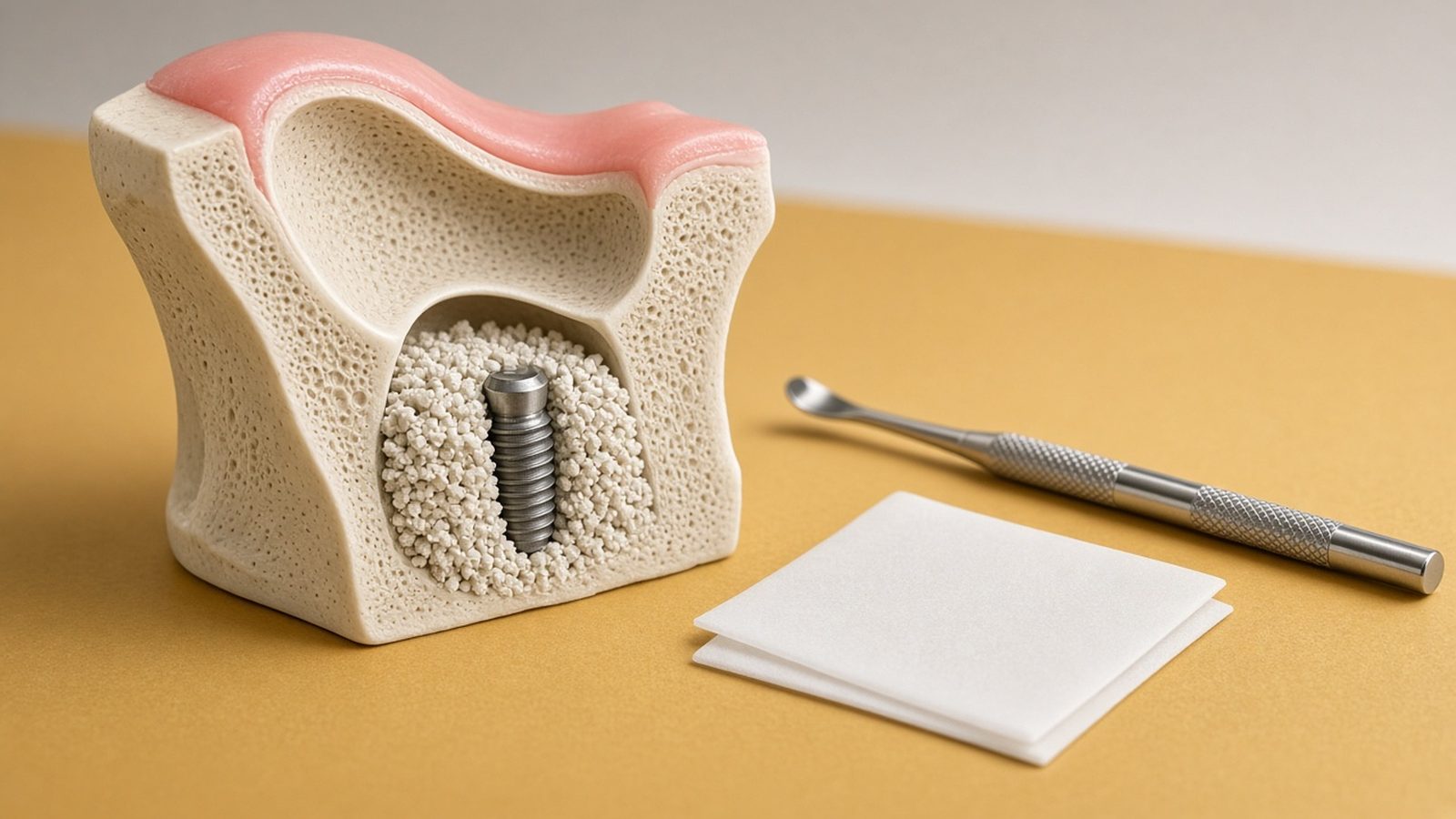
Upper implants sometimes need bone grafting or sinus procedures when bone is thin, and our Hutto office performs bone grafting and sinus work. CPAP pushes air through the nose, and many people with sleep apnea already deal with congestion. Ask your surgeon what to expect for nasal breathing and CPAP use after any upper jaw or sinus procedure, and share those instructions with your sleep provider. Our articles on sinus lift vs zygomatic implants and sinus problems after dental implants explain the anatomy. For severe upper bone loss, Dr. Dan Holtzclaw and Dr. Enrique Tabarini perform zygomatic and pterygoid implants at Regional Implant Centers.
Conditions that often travel with sleep apnea
High blood pressure, heart disease and diabetes are common in people with sleep apnea, and each one affects how surgery is planned.
The AASM lists high blood pressure, heart disease, stroke, prediabetes and diabetes, and depression among the health problems linked with sleep apnea. If you have any of these, bring your medication list and your physicians' contact details. Our articles on dental implants with heart disease and dental implants with diabetes explain what the team reviews. When a physician needs records or a letter from us, our dental clearance for medical procedures service provides clearance letters, treatment summaries and records when requested and authorized.
What to bring to your consultation
- Your most recent sleep study report, or the name of the physician who ordered it
- Your CPAP or BiPAP settings and mask type, or details of any oral appliance
- Your sleep physician's name and contact details
- A full medication list, including sleep aids, pain medicines and supplements
- Notes on any past problems with anesthesia or waking up after surgery
- If you have never been tested but have symptoms, a note of what you or your partner have noticed
Planning care at our Hutto office
Our Austin-area office is in Hutto, at 201 E Wilco Hwy, Suite 203, and serves patients from Hutto, Round Rock, Pflugerville, Georgetown, Cedar Park and across the Austin area.
The Hutto office offers CBCT imaging, bone grafting and sinus procedures, and has a dentist anesthesiologist on site. Posted hours are Monday through Thursday, 8 to 5, with Fridays reserved for surgeries. Our cone beam CT imaging is used to study bone volume, nerve pathways, sinus position and jaw anatomy; it does not replace clinical judgment. Our in-house dental lab is at our Katy office.
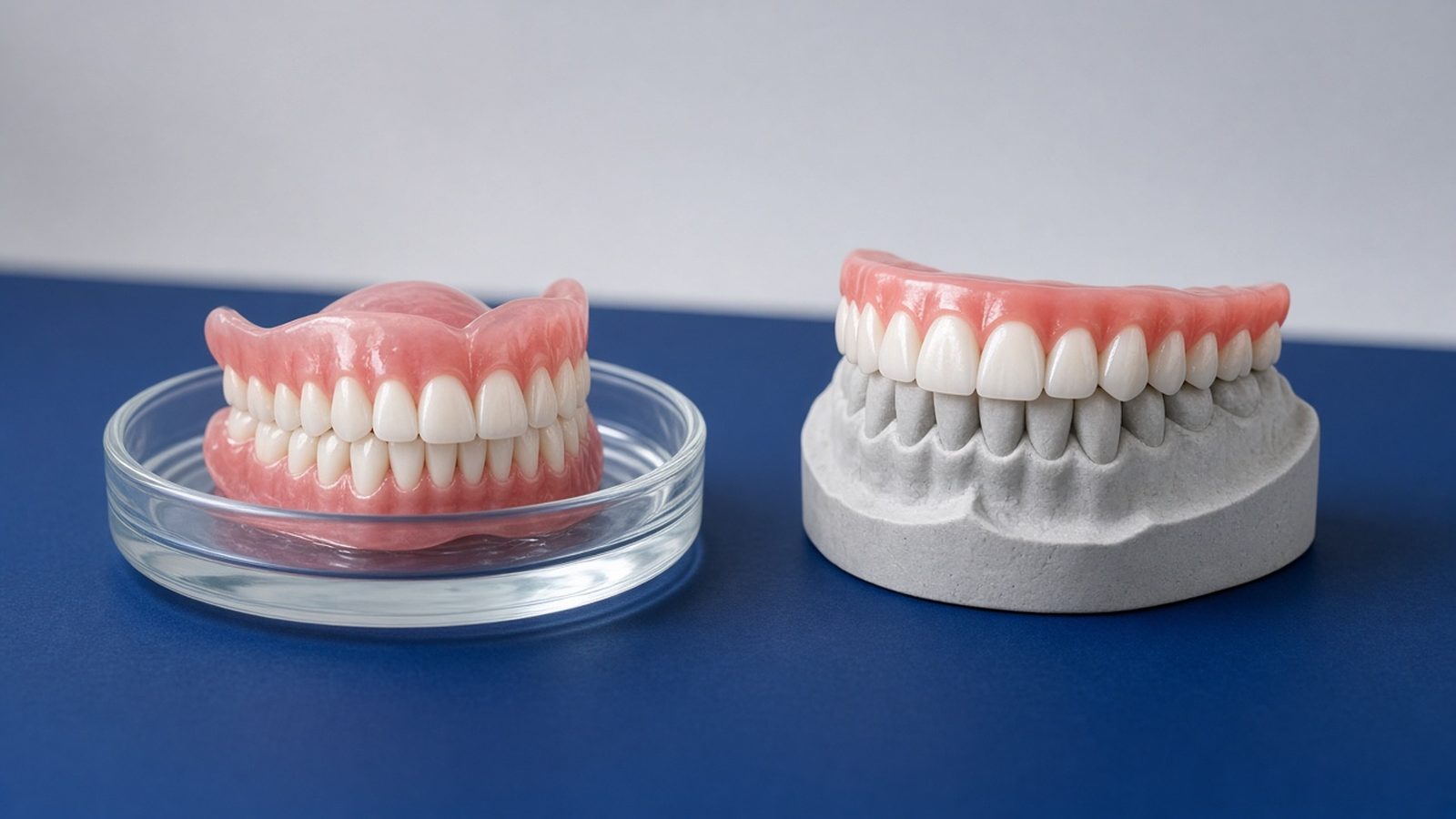
Not every plan ends in fixed teeth. Both our Hutto and Katy offices offer traditional dentures, snap-on implant overdentures and fixed full-arch implant teeth, and the right choice depends on your health, your bone and your goals, including what works with your sleep apnea treatment. Our article on full-mouth dental implants near Austin walks through the visits from consultation to final teeth, and what to eat after All-on-4 covers the first weeks of recovery. Implant treatment is not appropriate for every patient, and some cases need staged care or a different option.
Insurance and financing
At Regional Implant Centers, medical insurance may help only with surgical professional services, such as extractions, bone grafting and alveoloplasty. Implants, the prosthesis and temporary teeth are billed to you separately, and coverage is never guaranteed.
If you have a PPO plan with oral surgery coverage, it is worth checking whether it may help with the surgical parts of your care. Please verify your benefits with us and your carrier before you decide. Only PPO plans work for our out-of-network oral surgery benefits, and we cannot bill Federal Employee Program (FEP) Blue Cross Blue Shield plans. Our Insurance Advantage team reviews dental and medical benefits, and our insurance disclaimer explains why no estimate is a guarantee.
Before treatment, you receive a written plan with estimated insurance benefits, financing options and your expected out-of-pocket investment. Financing is available through independent third-party companies, and approval and terms are set by each provider. After your final teeth are delivered, ongoing care comes through a required Maintenance Package, with enrollment beginning within 30 days of final prosthesis delivery.
Questions to ask at your consultation
- How does my sleep apnea change the sedation or anesthesia plan for my surgery?
- Should I bring my CPAP machine and mask on surgery day?
- Will my CPAP mask press on the surgical area, and should I ask my sleep physician about a different mask while I heal?
- Does my CPAP use change whether I get temporary teeth the same day?
- If I may need an oral appliance someday, will my final teeth allow one?
- Which parts of my treatment might my medical plan help with, and how do I verify that?
Frequently asked questions
Can I get full-arch dental implants if I have sleep apnea?
Often, yes, but it takes extra planning. Sleep apnea affects how sedation and the airway are managed, how CPAP is handled while you heal and how your bite is designed. The decision depends on an exam, imaging, your medical history and input from your sleep physician.
Will dental implants cure my sleep apnea?
No. Studies link tooth loss with sleep apnea, but there is no good evidence that replacing teeth treats it. Keep using the therapy your sleep physician prescribed, and let them decide whether anything should change after your new teeth are in.
Should I stop using my CPAP after implant surgery?
Not on your own. One published case linked CPAP mask pressure to early failure of newly loaded lower implants, but stopping CPAP has its own risks, especially after sedation. Ask your sleep physician and your implant team to agree on a plan, such as mask style and the timing of your temporary teeth, before surgery.
Is sedation safe for people with sleep apnea?
Sedation can be planned for people with sleep apnea, but it carries extra airway risk. Guidelines call for airway precautions, careful monitoring, limited opioid use and CPAP readily available. Share your sleep study and CPAP details so your anesthesia provider can plan around them.
Can I still use an oral sleep appliance after full-arch implants?
Possibly, but it needs to be planned. Oral appliances need something to grip, and small studies have used implants to anchor them in people without teeth. Tell your implant team and your sleep dentist early so your final teeth are designed with that option in mind.
Talk with our Hutto team about your plan
If you have sleep apnea and failing or missing teeth, start with a conversation and bring your sleep study, your CPAP details and your medication list. Qualified patients receive a complimentary consultation, an advanced CBCT scan and an insurance benefits evaluation. Schedule a consultation by phone or in person at our Hutto office, or call (832) 632-7037.
Sources & Resources
- American Academy of Sleep Medicine, Sleep Education. Obstructive Sleep Apnea.
- American Dental Association. Policy Statement on the Role of Dentistry in the Treatment of Sleep Related Breathing Disorders (2017, revised 2019).
- Ramar K, Dort LC, Katz SG, et al. Clinical Practice Guideline for the Treatment of Obstructive Sleep Apnea and Snoring with Oral Appliance Therapy: An Update for 2015. Journal of Clinical Sleep Medicine, 2015.
- American Association of Oral and Maxillofacial Surgeons. Diagnosing and Treating Sleep Apnea.
- Chung F, Memtsoudis SG, Ramachandran SK, et al. Society of Anesthesia and Sleep Medicine Guidelines on Preoperative Screening and Assessment of Adult Patients With Obstructive Sleep Apnea. Anesthesia & Analgesia, 2016.
- Memtsoudis SG, Cozowicz C, Nagappa M, et al. Society of Anesthesia and Sleep Medicine Guideline on Intraoperative Management of Adult Patients With Obstructive Sleep Apnea. Anesthesia & Analgesia, 2018.
- Pachiou A, Roulias P, Steiropoulos P, et al. Association of edentulism and obstructive sleep apnea: a systematic review. Journal of Prosthodontics, 2025.
- Emami E, Lavigne G, Feine JS, et al. Effects of nocturnal wearing of dentures on the quality of sleep and oral-health-related quality in edentate elders with untreated sleep apnea: a randomized cross-over trial. Sleep, 2021.
- Jurel SK, Bakrolwala HA, Chand P, et al. Nocturnal wearing of complete dentures and obstructive sleep apnea: a meta-analysis. Journal of Indian Prosthodontic Society, 2024.
- Rodriguez JJ, Gertler A, Bender J, Surathu N, Balshi TJ. Catastrophic implant failure after immediate loading of full arch implant prosthesis and its association with CPAP therapy: a case report. Journal of Prosthodontics, 2023.
- Hoekema A, de Vries F, Heydenrijk K, Stegenga B. Implant-retained oral appliances: a novel treatment for edentulous patients with obstructive sleep apnea-hypopnea syndrome. Clinical Oral Implants Research, 2007.
This article is general patient education and is not a diagnosis, treatment plan or medical advice. Sleep apnea is diagnosed and managed by a physician; do not start, stop or change CPAP, an oral appliance or any medicine without talking to the clinician who prescribed it. Whether implants are appropriate, and which sedation or anesthesia is used, depends on an individual exam, imaging and medical review, and no level of sedation is free of risk. Insurance coverage is never guaranteed, and financing is provided by independent third-party companies. Regional Implant Centers has offices in Katy and Hutto, Texas. Outcomes vary, and implant treatment is not appropriate for every patient.
Ready to Learn What Is Possible?
Schedule a consultation with Regional Implant Centers.
Schedule ConsultationFrequently Asked Questions
Can I get full-arch dental implants if I have sleep apnea?
Often, yes, but it takes extra planning. Sleep apnea affects how sedation and the airway are managed, how CPAP is handled while you heal and how your bite is designed. The decision depends on an exam, imaging, your medical history and input from your sleep physician.
Will dental implants cure my sleep apnea?
No. Studies link tooth loss with sleep apnea, but there is no good evidence that replacing teeth treats it. Keep using the therapy your sleep physician prescribed, and let them decide whether anything should change after your new teeth are in.
Should I stop using my CPAP after implant surgery?
Not on your own. One published case linked CPAP mask pressure to early failure of newly loaded lower implants, but stopping CPAP has its own risks, especially after sedation. Ask your sleep physician and your implant team to agree on a plan, such as mask style and the timing of your temporary teeth, before surgery.
Is sedation safe for people with sleep apnea?
Sedation can be planned for people with sleep apnea, but it carries extra airway risk. Guidelines call for airway precautions, careful monitoring, limited opioid use and CPAP readily available. Share your sleep study and CPAP details so your anesthesia provider can plan around them.
Can I still use an oral sleep appliance after full-arch implants?
Possibly, but it needs to be planned. Oral appliances need something to grip, and small studies have used implants to anchor them in people without teeth. Tell your implant team and your sleep dentist early so your final teeth are designed with that option in mind.
This content is educational and not a substitute for a consultation.